
Tokyo cheap travel tips: Transport, accommodation, food, and more
Tokyo used to be one of the most expensive cities in the world to visit, but thanks to the falling Yen, it isn’t any longer. Although Tokyo is still one of the more expensive cities in Asia to holiday in, it is affordable if you are careful with how you spend your money.
You won’t be able to live off $20 a day but you can survive on $100 a day – affordable if you’re only visiting for two weeks or so.
When to visit Tokyo – and when to avoid it
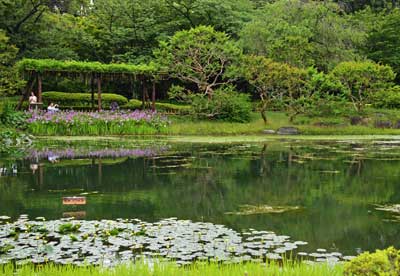 If you don’t want to go to Tokyo when hordes of other tourists will be there, avoid the cherry blossom season, which is around the end of March. Tokyo can also get busy during New Year and other holiday seasons for the Japanese which includes Golden Week – a week in May when lots of consecutive holidays happen so the Japanese tend to go away – or Obon, a Buddhist festival which is normally in the middle of August.
Accommodation tends to be more expensive during this time of year and you might struggle to find a place to stay. However, we went to Japan during Golden Week and at the end of the cherry blossom season. Although it was busy it didn’t affect our plans at all.
If you want to go to Japan when the weather is the best, visit late spring (March to May) and in early autumn (September to November) when it doesn’t rain that much and there are generally more comfortable temperatures. It can get very hot and humid in Tokyo at the height of summer in July and August, and bitterly cold in the depths of winter. However, there are less tourists around at these times – so take your pick!
Getting around Japan on the train
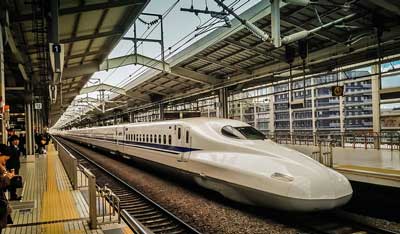 If you are travelling around Japan, going to more than just Tokyo, then consider buying a Japan Rail Pass. This is available to foreigners visiting Japan who want discounted train travel. However, the pass must be purchased in your home country before you leave for Japan, so if you are considering this option then make sure you are organised.
It pays to research where you’re going and how much it’ll cost you with ordinary train fares before you invest in the Japan Rail Pass though. We didn’t end up purchasing one because we flew in to Osaka and out of Tokyo, only going to Kyoto in between. Our most expensive train journey was on the Shinkansen (bullet train) between Kyoto and Tokyo, which only took two-and-a-half hours, but cost about US$120 per person for the journey. However, this was still significantly cheaper than the US$350 seven-day Japan Rail Pass.
But if you have a different itinerary, and are flying in and out of Tokyo but travelling throughout Japan in between, then it would make more sense for you to purchase the pass. Just investigate before you part with your money.
Unfortunately, I didn’t do much investigating when we caught the train to Tokyo from Kyoto and we simply turned up at the station on the day to buy the ticket. I found out later than if we’d purchased the ticket the day before, or earlier, we could have saved US$30 each on the US$120 fare. Keep that in mind with Japan – they will often reward you for being organised.
Getting to Tokyo by bus
If you have time on your hands, you can get a bus to Tokyo from other cities in Japan. For example, from Kyoto it takes about eight hours and you can either catch the bus during the day or at night.
There are different categories of bus, from luxury to very little comfort. The more expensive bus trips cost about US$91.50 and the cheaper ones you can buy a ride for as little as US$32.
Flying to Tokyo
If you can, book your flights in and out of Haneda airport over Tokyo’s Narita Airport. Haneda is about twice as close to the centre of Tokyo than Narita, and the train into the centre is therefore a lot cheaper. The price from Haneda to central Tokyo is about US$6, whereas from Narita it’s about US$28.
Whatever you do, avoid the taxis at all cost. You will end up spending about US$9 just to get into the vehicles, and a ride from Narita Airport to the centre of Tokyo can cost more than US$250!
Getting around Tokyo on a budget
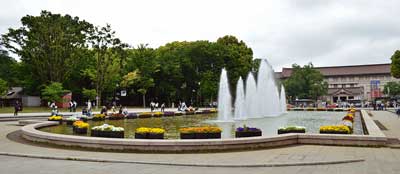 If you’re brave enough to navigate the Tokyo traffic, you can hire a bike from some of the rental outlets scattered around the city. There are some traditional bike hire outlets as well as bike sharing schemes. You can expect to pay as little as $1.80 to as much as $10 for a day’s hire. This page has some more information on where to pick up some wheels.
You can also rent a bike for free on Sundays at Chiyoda-ku between 10am and 3pm, but you can only ride it around the Imperial Palace area – about a 3km journey one way.
The subway can end up costing you a small fortune if you ride it multiple times a day. The lowest amount you can spend for a ride is about US$1.50, so if you’re only going a few stops at a time this can quickly add up. Walk between sightseeing areas if you can, and map out your days so you only need to catch the subway a few times.
There are some outlets where you can purchase a 24-hour subway ticket, which costs about US$6. However, this pass doesn’t operate on all the subway networks, so make sure it covers where you plan on going before you buy. Read the Tokyo Metro page for more information on where to pick up a 24 hours pass.
Accommodation in Tokyo
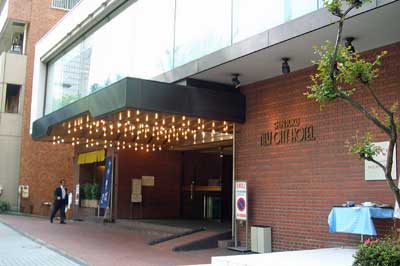 We stayed in AirBnb accommodation when we were in Tokyo, which isn’t the most budget option, but as a couple we felt it suited us well. Plus, we had a kitchen, which meant we could cook up our breakfasts and save some money on at least one meal a day. We paid less than US$40 a night for our spacious studio apartment with a washing machine, and it was in a really good area of Tokyo – Daikanyama.
If you want cheaper accommodation, there are some unusual options. The world famous capsule hotels aren’t for the faint-hearted or claustrophobic, but they are clean and do the job for a night’s rest. They can cost as little as US$40 a night, but considering this was the price of our AirBnb, it’s not as good value. Be wary if you do want to try a capsule hotel and you’re a woman, as some of them are for men only.
Hostels
There are quite a few hostel options for the budget traveller in Tokyo, and if you’re travelling on your own it can be a great way to make friends and find a cheap place to crash at the end of the night.
The cheapest hostels cost as little as US$16 a night for a dorm. Japan is generally clean so I doubt you’ll find any dirty hostels, but do be aware that there isn’t much space in Tokyo so your room could be small.
Hotels
Hotels should really be the last resort for the budget traveller as they are very expensive in Tokyo. The cheapest room in a budget hotel is going to set you back about US$75 a night, so I’d certainly recommend other options over hotels.
Ryokans
You can find budget ryokans, which are great for an authentic Japanese experience as these are traditional Japanese inns. Sometimes a stay at a Ryokan can include breakfast and dinner which helps you cut down on food costs too.
You will most likely be sleeping on a futon mat on the floor that is sometimes rolled up during the day, and sometimes the walls can be (literally) paper-thin. A cheap Ryokan in Tokyo will set you back at least US$40 per person but it’s worth the money if you want the unique experience.
Manga and wifi cafes
We never slept in a manga and wifi café but I’ve read accounts of people who have and it seems to be quite the norm. Some of these cafes even have sleep stations and showers. There are individual cubicles where you can read manga and surf the Internet, but make sure you opt for a non-smoking café if you don’t want to be breathing in cigarette smoke all night long.
Some of these cafes even shut down electricity between midnight and the early morning, meaning you’re able to get a restful night’s sleep if you don’t mind sleeping in a chair. For five hours in a good café, you can expect to pay about US$12 for a cubicle – great value!
Food in Tokyo
You can pay hundreds of dollars for a meal in Tokyo, and as little as US$3 for street food. It all depends on your budget, but if you’re like us you don’t want to be spending a fortune.
Head to the business districts and train stations
The main commuter hubs and business areas generally have cheap fare as there is a lot of competition between the restaurants to pull in as many customers as they can at lunchtime.
 In these areas you’re more likely to order through vending machines where you push a button for the meal you want and then pay into the machine. You receive a ticket and give it to your waiter who takes it to the kitchen and gets your food prepared. Sometimes these vending machines will have photographs of the food on them, making it easy to choose, although sometimes you have to try and figure it out yourself, or ask for help.
These meals are often around US$7 or so and ramen is a good bet as it’s very filling and tasty.
Don’t overlook the supermarket
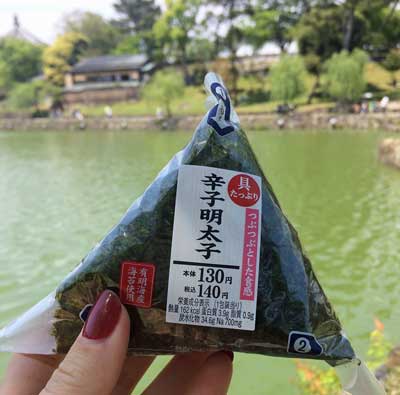 When we were in Japan, we bought food from the supermarket for at least one meal a day. Japanese supermarkets aren’t like other supermarkets in the world; they are much better. They have lots of ready-packaged meals that are delicious and of restaurant quality.
You can buy sushi, sashimi, bento boxes, chicken katsu and more. A typical meal will set you back about US$4 and we would just purchase something and take it to the park, or back to our apartment, to eat it.
If we bought these meals from a convenience store, then they would always ask us if we wanted them to heat it up for us. Perfect!
You can also buy a beer for a couple of dollars in the supermarket to wash down your meal with. Beer is one thing that’s cheap in Tokyo!
Gourmet dining on a budget
There are some restaurants in Tokyo that charge US$100 per person in the evenings but a lot less for a lunchtime menu. So if you read about a restaurant that sounds great but is out of your price range, it doesn’t hurt to get the receptionist of the place you’re staying in to call and enquire about whether they offer a lunch menu and how much it costs.
Street food in Tokyo
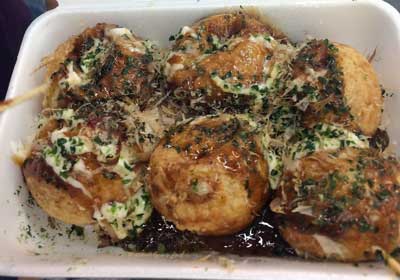 There’s some delicious and budget street food to be found in Tokyo and it’s certainly worth snacking on. Around the famous Tsukiji fish market there is a market of street food where you can try all different flavours of fish. Much of this food will be served on a skewer, yakitori style, but you’ll also find other delicious street food such as takoyaki or octopus balls, which are pieces of octopus deep fried in batter. It’s a lot tastier than it sounds.
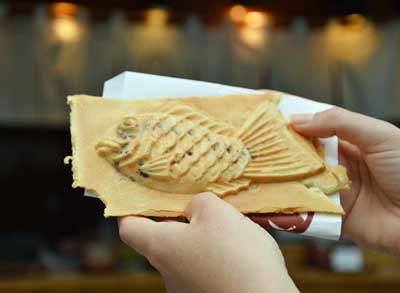
For dessert, taiyaki is another tasty street food, which is a waffle filled with deliciousness and cooked in the shape of a fish. We had the red azuki beans filling and it was scrumptious. These street foods will only set you back a few dollars at a time, so completely worth it in our opinion.
Restaurant chains
I’m not talking about McDonalds. Some of the chain restaurants in Japan are very good value and serve tasty food that will warm your soul. For example, we ate Japanese curry at CoCo Ichibanya one night and were seriously satisfied.
The conveyor belt sushi chain restaurants looked very decent and affordable too – at just US$1.50 or so per plate.
Tipping in Japan
Don’t forget that no one tips in Japan and sometimes the Japanese might even be offended if you try and leave some money behind. The good news is this means more savings for you!
Attractions in Tokyo
It can be tempting to spend a lot of money on fun things in Tokyo but there are numerous ways to see the sights without breaking the bank.
Sumo wrestling
Three times a year there are sumo wrestling tournaments in Tokyo and you can get tickets on the cheap if you know what you’re doing.
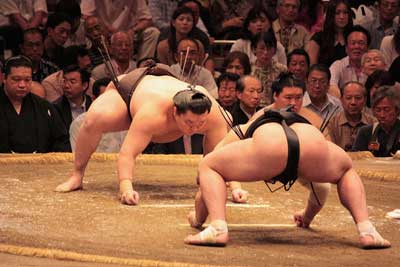 If you want to buy tickets, go towards the beginning of the tournament schedule when the finals are far away and you’ll find it’s easy to purchase an on-the-day ticket. Arrive before the box office opens at 8am, on a weekday is better than a crowded weekend, and you can often secure a ticket for less than US$10.
The sumo tournament starts around lunchtime and stretches into the early evening. The more experienced sumo wrestlers come into the ring towards the end of the day.
Parks in Tokyo
There are some beautiful parks in Tokyo to explore for free. Ueno in northern Tokyo has a great bustling atmosphere and is full of museums, some cafes and buskers. We also enjoyed the Imperial Palace grounds and we turned up at 11am to find there was a free one-hour tour in English, which we joined.
Odaiba Island
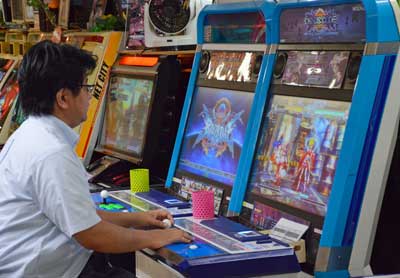
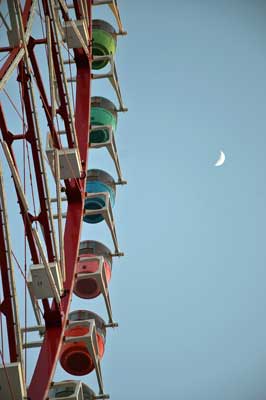 Odaiba Island is an island off the main hub of Tokyo that’s one of the city’s most popular entertainment districts. It’s best to visit in the early evening when the place comes alive with people enjoying themselves in the shopping malls, cinemas, gaming arcades and restaurants.
One free place to visit is Toyota’s MegaWeb, the world’s biggest car showroom. If you have an international license on you, you can test-drive the cars around their outdoor track. There’s also a vintage car museum attached which is fun to explore.
Religious sites
Two of Tokyo’s biggest religious sites are also free to visit. Meiji Shrine, a huge holy place next to the modern district of Harajuku, is situated in beautiful parklands.
The Senso-Ji temple – possibly the most well known in Tokyo – is also free to visit. We enjoyed this temple a lot, not simply for the building itself but also for the shops selling Japanese gifts, which line the street leading up to the temple.
Remember to carry your passport with you when you’re out and about because many stores offer tax-free shopping for tourists. Some places also offer free entry tickets for foreigners too, but you need your passport to prove it.
Tsukiji fish market
 Go here while you still can – it’s only open until November, 2016 before it moves to a more remote location for good. Don’t turn up at the crack of dawn to see the tuna auction though – this is no longer open to the public and tourists can only enter at 9am.
Get there as close to 9am as possible though to see as much action as you can, but be careful walking around as the motorised carts the fishmongers travel on speed up and down the fish aisles.
Discounted museum pass
If you’re staying in Tokyo for a while and want to explore the museums on offer, consider purchasing the Grutt Museum Pass for about US$18. It will give you free or discounted entry to more than 60 museums, which is worthwhile if you like your art and culture.
Skip the Tokyo Tower
Hordes of tourists pay US$15 to go up the Tokyo Tower and take in the view but we’ve heard the better spot to visit is the Tokyo Metropolitan Government Building. The building is free to enter and has just as great views, apparently. (We didn’t get a chance to visit.)
Shopping districts
If you want a cheap afternoon, stroll around some of the vibrant shopping districts of Tokyo and take in the different outfits and out-there wares for sale.
Harajuku is the obvious place to go for the crazy-dressed, but Nakano Broadway is also a fun place to stroll. It’s an arcade full of vintage toys, manga comics, antique watches and all things Japanese.
Guide to travelling Tokyo on the cheap
 We hope this guide has made you realise that a trip to Tokyo doesn’t have to break the bank. Let us know if you have any other money saving tips you can add. We’re all ears for making our next trip to Tokyo cost even less.
Carmen is one half of the couple behind Double-Barrelled Travel, a travel blog focused on vlogging. Carmen married Dave three years ago and they quit their journalism careers in mid-2013 for a life on the road.
Additional photos by Richard Schneider on Flickr, jerone2 on Flickr, and Shugo Nozaki on Flickr.