
Hawaii food prices: Tips for farmers markets to supermarkets
The Hawaiian islands are a sought out vacation destination for people around the world. But there are many who choose to daydream about the island rather than visiting due to one simple factor- cost. Yes, it is true that vacation costs can be a bit on the expensive side when you factor in flights, car rentals and hotel prices.
But how do food prices fit into the mix? Are they really as expensive as people make them out to be? We’ll discuss that and more as we dive into the food world of Hawaii.
Is Hawaii really that expensive?
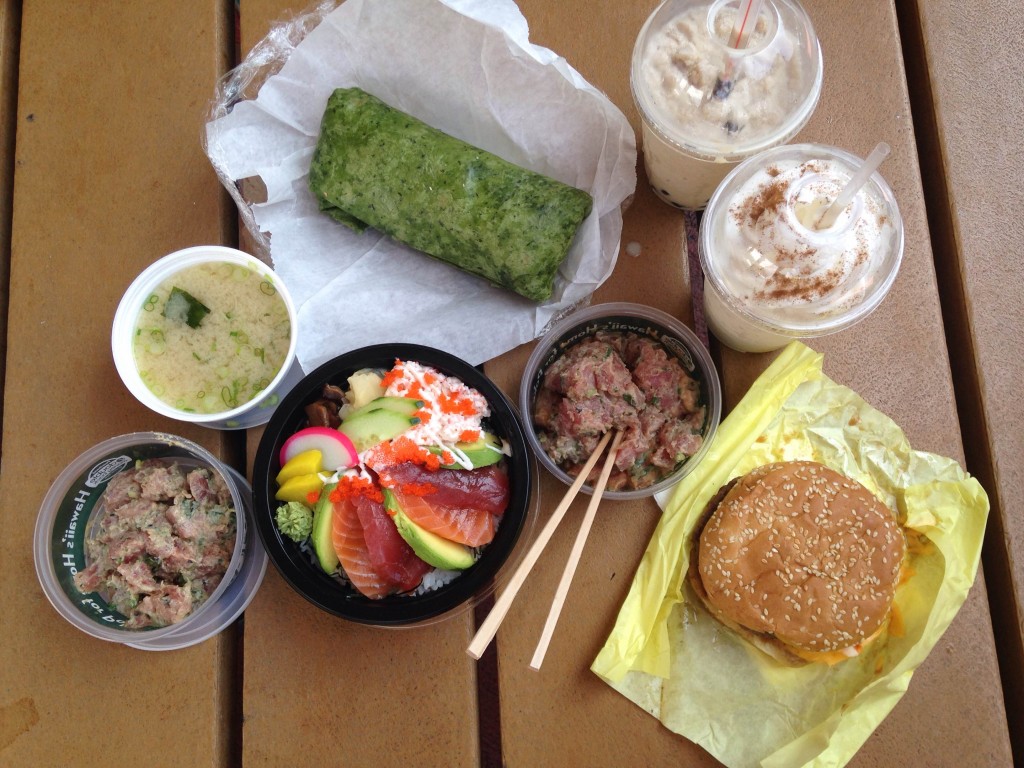 Yes and no. Some visitors feel that the islands aren’t nearly as expensive as they were warned while others feel that the prices are outrageous. What it really comes down to is how much money you’re used to spending on your basic food items when at home and how much you like to look for a good bargain and go against the grain a bit when shopping. In fact, there are many ways to save money on food that will in turn cause the food prices to be the same as the mainland, or in some cases even cheaper. In hindsight, because of all of the different options available on the islands, food prices will depend on what you’re willing to spend and where you feel the most comfortable shopping at. There are four main places to buy your food at- farmers markets, Costco, Walmart and the local grocery stores.
Farmers Markets: the dos and don'ts
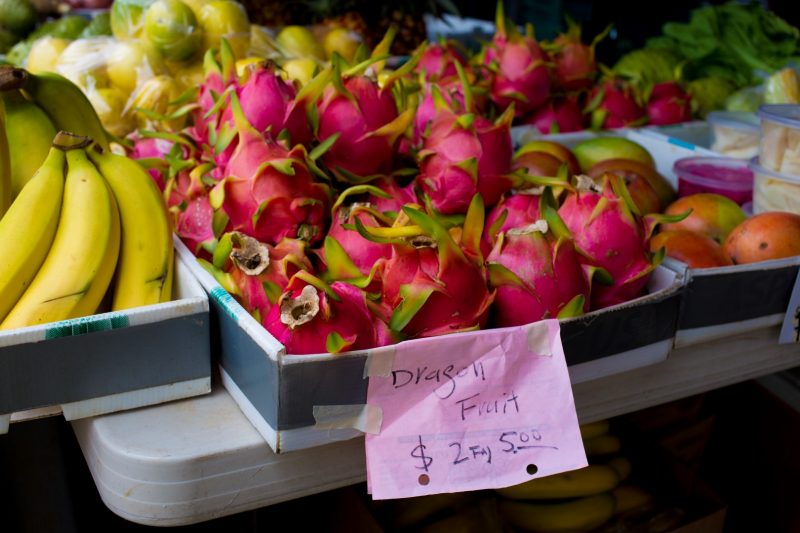
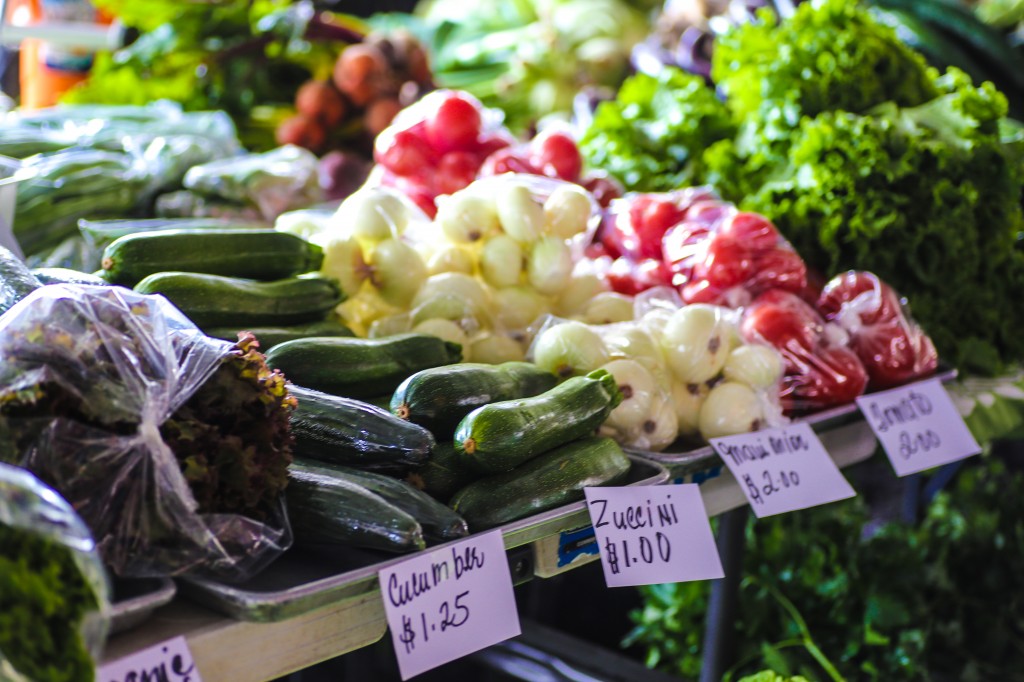 Throughout every island, visitors will find several different farmers markets, some which are small while others that stretch out over a block or two. Due to the large amount of markets, visitors will almost always be close to one that is open and bustling with both locals and tourists alike. In fact, it can sometimes be a little overwhelming seeing all of the people as well as the different varieties of fruits, veggies and other miscellaneous items available for purchase. Because of this, it’s best to go in with a little game plan and some knowledge of how these markets work. Below you’ll find some dos and don’ts that will help make the experience both fun and rewarding.
Dos
- Inspect all of the food that you are interested in purchasing. Even though it’s local and colorful, it doesn’t mean that every piece is ready to eat or will be ready in a few days. Every now and then, you’ll find pieces that are past their prime.
- Haggle. It may seem like a ugly word to some, but it’s a great way to get an even better price on one or more items. Usually if you are interested in buying a few of the same item, you’ll be able to get a slightly better price. Remember, the farmers markets host local growers, meaning that they set their prices and can change the price on the spot without having to go through a middle man.
- Take pictures! Don’t be shy to whip out that camera and start snapping away. Most of the fruits and veggies that you’ll find aren’t sold on the mainland.
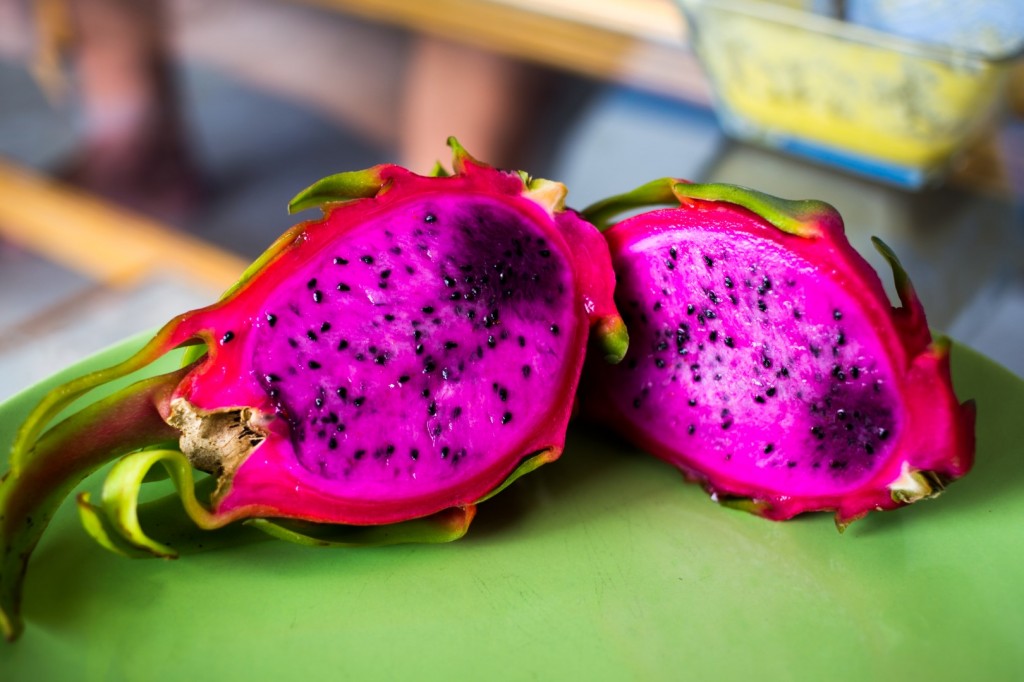
- Be bold. If there is a fruit that you’ve never tried before and it’s a good price, get it! Even though some of it may look a little strange to you, Hawaii has some of the best local foods in the world. Even better? They’re organic.
Don’ts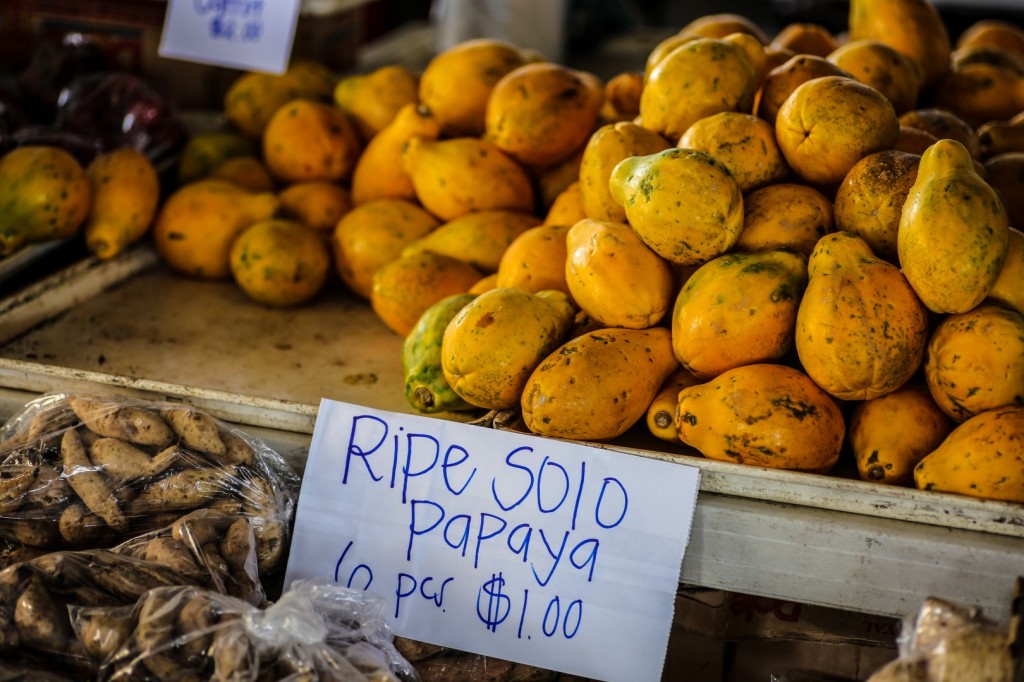
- Don’t start buying right when you enter the market. It’s best to go through the whole market (or at least most of it) before you start at the beginning again to start grabbing your items. This way you get to see how everything looks and if there are better prices toward the end.
- Don’t buy too many pieces. It’s hard not to get sucked into buying anything and everything as most of the prices are much lower than you’ll normally find elsewhere. It’s great to be excited but you don’t want to let your excitement get the best of you. Nobody wants to have to throw out fruits and veggies because they’ve gone bad before they could be eaten.
- Don’t miss out on some of the food served at the markets. Some, not all, markets will have stands devoted to serving Japanese and Thai specialties. These dishes are a great buy with many of them costing a few dollars less then what you would pay at a restaurant.
- Don’t forgot to check out some of the craft stands. Even though you may be there to get food for the week, there may be a few jewelry, craft and other types of stands there. These usually offer the same type of items you would buy at a tourist store but at a much better price.
Costco vs. Walmart vs. a local grocery store
 If you don’t feel like heading down to the farmers market and want to shop at a store that carries meats and dry goods, you’ll have a few places to choose from, all with different prices. Your best bet is to put your Costco membership to good use and purchase most of your items there. Yes, you are going to have to buy items in bulk but if you’re a meat lover, like to drink a lot of juice or eat from canned goods, then you’ll end up saving much more than you would expect. Take almond milk for example. If you were to buy from Walmart or a local grocery store you would be paying about $4 to $7 per half gallon. If you buy that same almond milk as a 3 piece set at Costco, you’ll only be paying around $10. If you’re visiting and don’t have a Costco membership, it might be a good idea to consider getting one. In the end, you’ll most likely still end up saving money.
Walmart usually is thought of as a great place to save money. That is still the case when it comes to most goods found in the store but not so much when it comes to food, especially fruits and veggies. A great example is papaya. You can buy one for about $3 to $4 dollars at Walmart or you can buy a fresh, locally grown papaya as a pack of 5 for $2 or sometimes even less at a farmers market. Or if you’re willing to pay the Walmart price, it’s better to buy it from the grocery store as the quality will be much better.
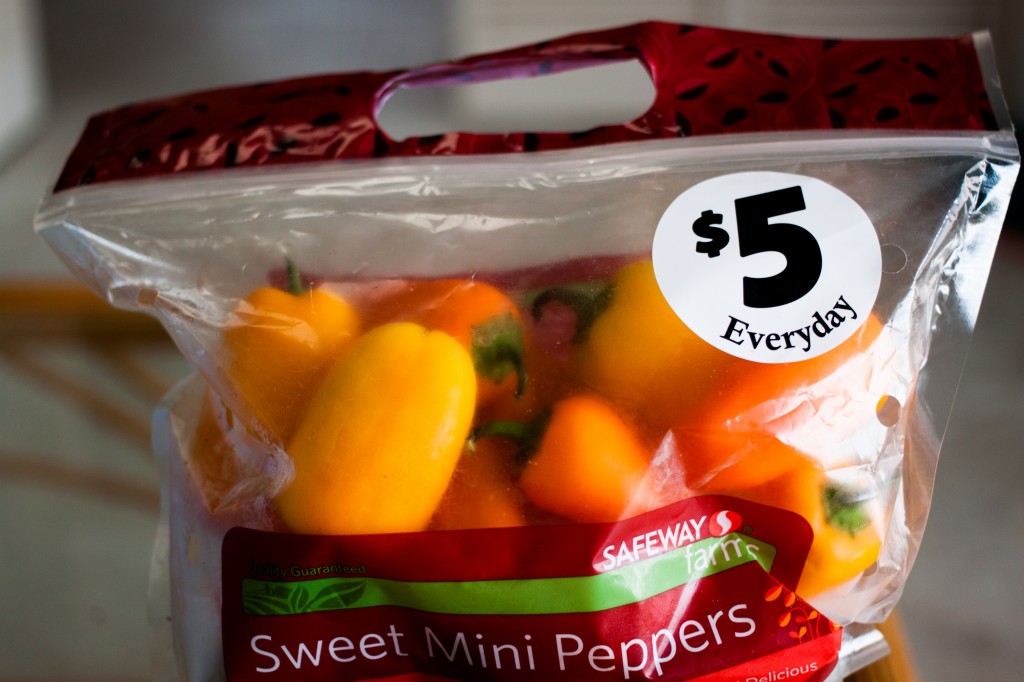 Another thing to keep in mind is the printed cost on certain items. Sometimes when buying food, you’ll notice that there is a printed price on the actual bag. On the mainland this price is the going rate and is applied at the checkout counter. This is not always the case on the islands. In fact, many locals call the price increase the ‘Hawaii price’. The picture to the right shows a price of $5 but in reality the ‘Hawaii price’ is $7.
Interestingly enough, Target is a great place to shop for essential items like milk, ice cream, coffee, fruits and veggies. Even though the fruit and vegetable section itself is on the small side, the prices are great compared to other stores in the area and the selection is extremely fresh. Also milk seems to be the cheapest at Target. For example, on the Big Island of Hawaii, a gallon of whole milk ranges in the $3 to $4 range while at Costco it’s more in the $4 to $5 range and sometimes even more at a local grocery store. This is also true for ice cream and gelato.
Oahu compared to the other islands
 As the most visited island of Hawaii, Oahu is also known as the most expensive island with the highest year round population. Whenever you hear about how prices are high in Hawaii, usually people are referring to Oahu itself. So the questions begs, is Oahu the most expensive for food? When looking at the overall prices, from restaurants to cafes to grocery stores and markets, the answer is yes. You can expect to pay a dollar or two more when shopping at the local grocery stores and sometimes a bit more when eating out. Even the markets are a bit more expensive then the ones located on the other major islands, but then again, the prices are are still very low when comparing to the prices found at the supermarkets.
Simple tips to help you save money
 Whether you’re visiting for a few months or a few weeks, the tips below should help get you on the right track toward saving money as you shop.
- Look up grocery store flyers before you head to one of the local supermarkets. Once you find the weekly sales flyer online, you can easily compare one store to the next helping to figure out where the best prices are.
- For fresh fruits, vegetables and herds, check out the nearest farmers market before heading to the store. Stores tend to have much higher prices due to the added shipping costs. Also, because the food is being shipped from the mainland, most of the time you’ll find that the fruits and veggies aren’t as fresh as the ones grown locally.
- If you know you’ll be eating certain foods over and over again, consider getting them at Costco if one is located near you. Even though you’ll be buying in bulk, the savings are very noticeable.
Photos by Rachel Campbell and Flickr user Kimubert.